
Imagine this: You’re in your kitchen, cooking your favorite meal, and suddenly the room fills with smoke. Your traditional range hood isn’t doing its job, and the ventilation is poor. Sound familiar? This is a common challenge in many kitchens, especially those with limited space. But there’s a solution that could revolutionize your cooking experience: the downdraft electric cooktop.
Disclaimer: As an Amazon Associate, I earn commission from qualifying purchases.
A downdraft electric cooktop is an innovative appliance that integrates a ventilation system directly into the cooktop. Unlike traditional range hoods that pull air upwards, a downdraft cooktop pulls air downwards and filters it, providing a cleaner and more efficient cooking environment. This technology is particularly beneficial for kitchens with limited space or those seeking a more modern, streamlined look.
What is a Downdraft Electric Cooktop?
A downdraft electric cooktop is a cooking surface that features a built-in ventilation system. This system pulls air downwards through vents located on the cooktop, filtering it and then recirculating or venting it outside. This design eliminates the need for a traditional range hood, making it a space-saving solution.
The technology behind downdraft systems involves a powerful fan that creates a strong suction force, pulling smoke, steam, and odors downwards. This air is then filtered through a series of filters, ensuring that only clean air is recirculated or vented outside. Brands like JennAir and KitchenAid are known for their high-quality downdraft cooktops, which offer advanced features such as variable fan speeds and easy-to-clean filters.
Benefits of a Downdraft Electric Cooktop
Downdraft electric cooktops offer several key benefits that address common kitchen challenges:
- Improved Ventilation: The downdraft system effectively pulls smoke and odors downwards, providing better ventilation compared to traditional range hoods. This is particularly useful in kitchens with high ceilings or open floor plans.
- Space Efficiency: By eliminating the need for a range hood, downdraft cooktops save valuable space. This makes them ideal for small kitchens or those with limited counter space.
- Ease of Cleaning: Downdraft cooktops are typically easier to clean than traditional range hoods. The filters can be easily removed and washed, and the cooktop surface itself is usually smooth and easy to wipe down.
- Aesthetic Appeal: These cooktops offer a sleek, modern look that can enhance the overall aesthetic of your kitchen. They blend seamlessly with contemporary kitchen designs.
- Energy Efficiency: Downdraft cooktops are designed to be energy-efficient, reducing your overall energy consumption. They often come with features like automatic shut-off and variable fan speeds.
How Downdraft Electric Cooktops Work
The mechanism of a downdraft electric cooktop is straightforward yet effective. Here’s a step-by-step guide on how it works:
- Activation: When you turn on the cooktop, the downdraft system automatically activates. This ensures that ventilation starts as soon as you begin cooking.
- Air Intake: The powerful fan creates a strong suction force, pulling air downwards through the vents located on the cooktop.
- Filtration: The air is then passed through a series of filters, which remove smoke, odors, and other particles. Some models use charcoal filters for enhanced odor removal.
- Recirculation or Venting: After filtration, the clean air is either recirculated back into the kitchen or vented outside, depending on the model and installation.
Choosing the Right Downdraft Electric Cooktop
When choosing a downdraft electric cooktop, it’s important to consider several factors to ensure you get the best model for your needs:
- Power: Look for models with variable fan speeds and powerful suction capabilities. Brands like Bosch and GE offer models with high CFM (cubic feet per minute) ratings, ensuring effective ventilation.
- Size: Consider the size of your cooktop and ensure it fits well within your kitchen layout. Models come in various sizes, from compact 24-inch units to larger 36-inch options.
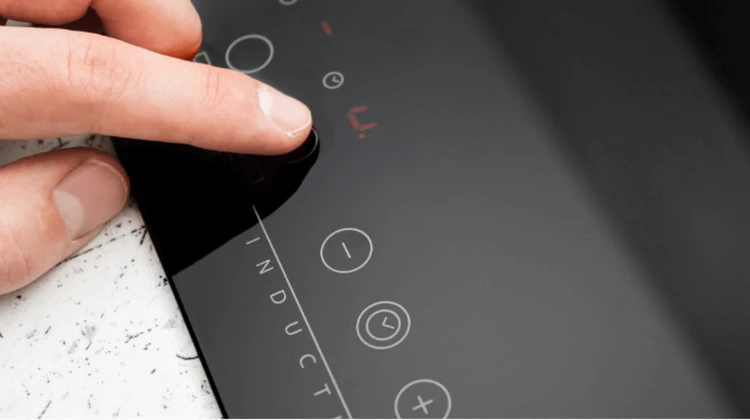
- Additional Features: Some models come with additional features like automatic shut-off, touch controls, and easy-to-clean surfaces. These features can enhance usability and convenience.
For example, the JennAir JED4430IB is a popular choice for its powerful ventilation and sleek design, making it a great fit for modern kitchens. On the other hand, the KitchenAid KCED600GBL offers a balance of performance and affordability, ideal for budget-conscious homeowners.
Installation Guide for Downdraft Electric Cooktops
Installing a downdraft electric cooktop requires careful planning and the right tools. Here’s a step-by-step guide to help you through the process:
- Preparation: Gather necessary tools such as a screwdriver, level, and tape measure. Ensure you have the correct electrical connections and that your kitchen counter is properly prepared.
- Positioning: Place the cooktop in the desired location and use a level to ensure it is evenly positioned. Mark the spots where you will need to drill holes for mounting.
- Mounting: Drill the holes and secure the cooktop to the counter using the provided screws. Ensure it is firmly attached and level.
- Electrical Connection: Connect the cooktop to the electrical supply, following the manufacturer’s instructions. Ensure all connections are secure and properly insulated.
- Ventilation Setup: If your model requires external venting, connect the ductwork to the cooktop and ensure it is properly sealed.
- Final Checks: Turn on the cooktop and test all functions to ensure everything is working correctly. Make any necessary adjustments.
While DIY installation is possible, it’s often recommended to hire a professional for safety and accuracy. Professional installation ensures that all electrical connections are secure and that the ventilation system is properly set up.
Maintenance and Cleaning Tips
Proper maintenance and cleaning are essential for the longevity and optimal performance of your downdraft electric cooktop. Here are some practical tips:
- Regular Cleaning: Wipe down the cooktop surface after each use to remove any food residue or grease. Use a mild detergent and a soft cloth to avoid scratching the surface.
- Filter Maintenance: Remove and clean the filters regularly, following the manufacturer’s instructions. Some filters can be washed in the dishwasher, while others may require manual cleaning.
- Deep Cleaning: Periodically perform a deep clean of the cooktop, including the vents and internal components. This helps prevent buildup and ensures efficient operation.
- Safety Precautions: Always unplug the cooktop before cleaning and ensure it is completely cooled down. Avoid using abrasive cleaners or tools that could damage the surface.
Downdraft Electric Cooktop vs. Traditional Range Hoods
When comparing downdraft electric cooktops to traditional range hoods, it’s important to consider the pros and cons of each option:
- Ventilation Efficiency: Downdraft cooktops provide effective ventilation by pulling air downwards, making them suitable for kitchens with high ceilings or open floor plans. Traditional range hoods, on the other hand, may struggle to capture all the smoke and odors, especially in larger kitchens.
- Space Utilization: Downdraft cooktops save space by eliminating the need for a range hood, making them ideal for small kitchens. Traditional range hoods can be bulky and take up valuable counter space.
- Aesthetic Appeal: Downdraft cooktops offer a sleek, modern look that blends seamlessly with contemporary kitchen designs. Traditional range hoods can be more visually intrusive and may not fit as well with modern aesthetics.
- Installation Complexity: Downdraft cooktops may require more complex installation, especially if external venting is needed. Traditional range hoods are generally easier to install but may require additional ductwork.
Energy Efficiency and Sustainability
Downdraft electric cooktops are designed with energy efficiency in mind, contributing to sustainable kitchen design. Here are some tips for reducing energy consumption:
- Variable Fan Speeds: Use the variable fan speed settings to adjust the ventilation according to your cooking needs. Lower speeds consume less energy while still providing adequate ventilation.
- Automatic Shut-Off: Look for models with automatic shut-off features that turn off the fan after a certain period of inactivity. This helps reduce energy wastage.
- Regular Maintenance: Keep the filters clean and the vents clear to ensure the cooktop operates efficiently. A well-maintained cooktop uses less energy and provides better performance.
Integrating Downdraft Electric Cooktops into Kitchen Design
Downdraft electric cooktops can be seamlessly integrated into various kitchen designs, enhancing both functionality and aesthetics. Here are some design tips:
- Modern Kitchens: The sleek design of downdraft cooktops fits well with modern kitchens, providing a clean and streamlined look. Pair them with contemporary cabinetry and minimalist decor for a cohesive design.
- Small Kitchens: In small kitchens, downdraft cooktops save valuable space by eliminating the need for a range hood. Opt for compact models that fit well within limited counter space.
- Open Floor Plans: For kitchens with open floor plans, downdraft cooktops provide effective ventilation without disrupting the flow of the space. They blend seamlessly with the surrounding decor, maintaining a cohesive look.
Common Challenges and Solutions
While downdraft electric cooktops offer numerous benefits, they can also present some challenges. Here are common issues and their solutions:
- Ventilation Problems: If you experience poor ventilation, ensure the filters are clean and the vents are clear. Regular maintenance can prevent buildup and ensure efficient operation.
- Noise: Some models may produce noise during operation. Look for models with quieter fan settings or consider soundproofing options to reduce noise levels.
- Installation Complexity: If you encounter difficulties during installation, consider hiring a professional. Professional installation ensures safety and accuracy, reducing the risk of errors.
Enhancing Kitchen Functionality with Downdraft Electric Cooktops
Downdraft electric cooktops can significantly enhance overall kitchen functionality by providing better airflow and easier multitasking. Here are some examples:
- Improved Airflow: The downdraft system pulls air downwards, providing better ventilation and reducing the risk of smoke and odors lingering in the kitchen.
- Easier Multitasking: The streamlined design of downdraft cooktops allows for easier movement around the kitchen, making multitasking more efficient.
- Enhanced Aesthetics: The sleek and modern look of downdraft cooktops can enhance the overall aesthetic of your kitchen, creating a more inviting and functional space.
Frequently Asked Questions (FAQs)
What are the primary advantages of a downdraft electric cooktop over a traditional range hood?
The primary advantages of a downdraft electric cooktop include improved ventilation, space efficiency, ease of cleaning, and a modern aesthetic. Downdraft cooktops pull air downwards, providing better ventilation and eliminating the need for a bulky range hood. This makes them ideal for small kitchens or those with limited counter space.
How do I install a downdraft electric cooktop in my kitchen?
Installing a downdraft electric cooktop involves careful planning and the right tools. Start by gathering necessary tools such as a screwdriver, level, and tape measure. Ensure you have the correct electrical connections and that your kitchen counter is properly prepared. Place the cooktop in the desired location, use a level to ensure it is evenly positioned, and mark the spots for drilling.
Drill the holes and secure the cooktop to the counter using the provided screws. Connect the cooktop to the electrical supply, following the manufacturer’s instructions, and ensure all connections are secure. If your model requires external venting, connect the ductwork to the cooktop and ensure it is properly sealed. Finally, turn on the cooktop and test all functions to ensure everything is working correctly.
What are the maintenance requirements for a downdraft electric cooktop?
Proper maintenance and cleaning are essential for the longevity and optimal performance of your downdraft electric cooktop. Regularly wipe down the cooktop surface after each use to remove any food residue or grease. Use a mild detergent and a soft cloth to avoid scratching the surface. Remove and clean the filters regularly, following the manufacturer’s instructions.
Some filters can be washed in the dishwasher, while others may require manual cleaning. Periodically perform a deep clean of the cooktop, including the vents and internal components. Always unplug the cooktop before cleaning and ensure it is completely cooled down. Avoid using abrasive cleaners or tools that could damage the surface.
Can a downdraft electric cooktop be used in a small kitchen?
Yes, a downdraft electric cooktop is ideal for small kitchens. By eliminating the need for a range hood, downdraft cooktops save valuable space. Opt for compact models that fit well within limited counter space. The sleek design of downdraft cooktops also blends seamlessly with modern kitchen designs, providing a clean and streamlined look.
How does a downdraft electric cooktop contribute to energy efficiency?
Downdraft electric cooktops are designed with energy efficiency in mind. They often come with features like variable fan speeds and automatic shut-off, which help reduce energy consumption. Regular maintenance, such as keeping the filters clean and the vents clear, ensures the cooktop operates efficiently. A well-maintained cooktop uses less energy and provides better performance.
What are the best cleaning techniques for a downdraft electric cooktop?
The best cleaning techniques for a downdraft electric cooktop involve regular maintenance and the use of gentle cleaning products. Wipe down the cooktop surface after each use with a mild detergent and a soft cloth.
Remove and clean the filters regularly, following the manufacturer’s instructions. Perform a deep clean periodically, including the vents and internal components. Always unplug the cooktop before cleaning and ensure it is completely cooled down. Avoid using abrasive cleaners or tools that could damage the surface.
Conclusion
In conclusion, a downdraft electric cooktop is a practical and innovative solution for modern kitchens. It offers improved ventilation, space efficiency, and a sleek design that enhances the overall aesthetic of your kitchen.
By choosing the right model and maintaining it properly, you can enjoy the benefits of a downdraft cooktop for years to come. Consider integrating a downdraft electric cooktop into your kitchen design to optimize functionality and create a more inviting and efficient cooking space.