
Disclaimer: As an Amazon Associate, I earn commission from qualifying purchases.
Efficient and safe kitchen design begins with the right placement of electrical outlets. Understanding how high kitchen outlets should be is crucial for both safety and functionality. According to the National Electrical Code (NEC), proper outlet placement can significantly reduce the risk of electrical hazards and improve kitchen efficiency.
This article aims to provide a comprehensive guide on kitchen outlet placement, covering everything from safety considerations to future-proofing your kitchen.
The Importance of Proper Kitchen Outlet Placement
Proper kitchen outlet placement is essential for ensuring safety and functionality in the kitchen. According to the Electrical Safety Foundation International (ESFI), improper outlet placement can lead to electrical hazards, including shocks and fires. Therefore, it is crucial to understand how high kitchen outlets should be for optimal safety.
Local building codes and industry standards must be followed to ensure compliance and safety. For instance, the NEC recommends specific guidelines for outlet placement, emphasizing the importance of keeping outlets away from water sources and ensuring proper grounding.
Standard Height Recommendations for Kitchen Outlets
The standard height for kitchen outlets is generally between 15 and 20 inches above the countertop. This height ensures ease of access while keeping outlets away from potential water sources, such as sinks and dishwashers. The NEC provides detailed guidelines for outlet placement, emphasizing the importance of standard industry practices.
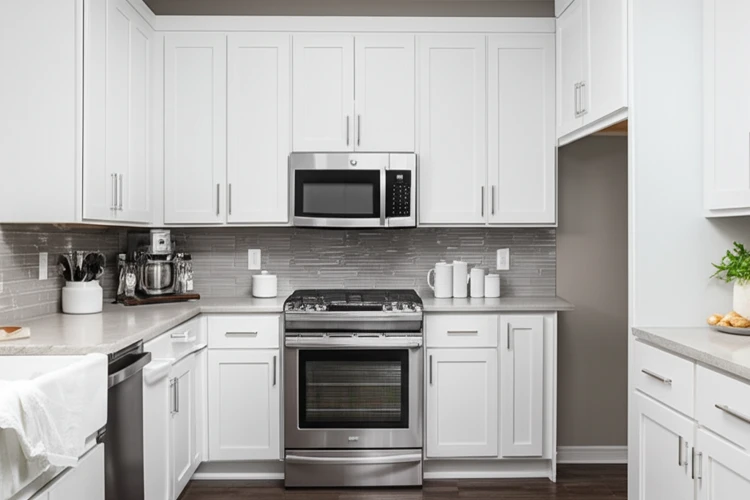
However, different kitchen designs may require varied heights. For example, in a kitchen with a backsplash, the outlets may need to be placed higher to accommodate the design. It is essential to consider these factors when determining how high kitchen outlets should be.
Factors Affecting Kitchen Outlet Height
Several factors can influence the height of kitchen outlets:
- Counter Height: The height of your kitchen counters will directly affect outlet placement. Standard counter heights are around 36 inches, and outlets should be placed accordingly.
- Backsplash Design: The design of your backsplash can dictate outlet height. For example, a decorative backsplash may require outlets to be placed higher to maintain aesthetics.
- Appliance Placement: The location of kitchen appliances, such as microwaves and toasters, can also affect outlet height. Outlets should be placed conveniently for easy access to these appliances.
Real-world examples from professional kitchen design projects show that these factors play a significant role in determining the optimal height for kitchen outlets.
Safety Considerations for Kitchen Outlet Placement
Safety is paramount when placing kitchen outlets. Keeping outlets away from water sources is crucial to prevent electrical shocks. Ensuring proper grounding and using Ground Fault Circuit Interrupter (GFCI) outlets can significantly enhance safety. The ESFI provides comprehensive safety guidelines that should be followed to ensure the safe placement of kitchen outlets.
It is also important to note that professional installation is recommended to ensure all safety precautions are met. Attempting to install outlets yourself without proper knowledge can lead to severe electrical hazards.
Kitchen Outlet Placement for Accessibility
Accessibility is another critical factor to consider when placing kitchen outlets. Universal design principles and guidelines from the Americans with Disabilities Act (ADA) emphasize the importance of placing outlets at heights that are accessible to all users, including those with disabilities.
For example, placing outlets at a height of 15 inches above the countertop ensures that they are easily reachable for individuals in wheelchairs. This consideration enhances the overall usability of the kitchen for everyone.
Step-by-Step Guide to Determining Kitchen Outlet Height
Determining the optimal height for kitchen outlets involves several steps:
- Measure Counter Height: Start by measuring the height of your kitchen counters.
- Consider Backsplash Design: Take into account the design of your backsplash and how it may affect outlet placement.
- Plan Appliance Locations: Map out where your appliances will be placed and ensure outlets are conveniently located for easy access.
- Follow Safety Guidelines: Adhere to safety guidelines from authoritative sources like the NEC and ESFI.
- Consult Local Building Codes: Ensure compliance with local building codes and regulations.
Using these steps, you can determine the optimal height for your kitchen outlets, ensuring both safety and functionality.
Product Recommendations for Kitchen Outlets
When choosing kitchen outlets, it is essential to consider products that enhance safety and usability. GFCI outlets are highly recommended for their ability to prevent electrical shocks. USB-compatible outlets are also beneficial for modern kitchens, allowing for easy charging of devices.
Product reviews and ratings can provide valuable insights into the best outlets for your kitchen. Transparent pricing information is also crucial when making your selection.
Best Practices for Installing Kitchen Outlets
Installing kitchen outlets requires careful consideration of wiring techniques and safety precautions. Specific installation techniques, such as proper grounding and the use of GFCI outlets, are essential for ensuring safety. The NEC provides detailed guidelines for outlet installation, emphasizing the importance of professional installation.
It is crucial to follow these best practices to ensure the safe and efficient installation of kitchen outlets.
Common Mistakes to Avoid When Placing Kitchen Outlets
Several common mistakes can be avoided when placing kitchen outlets:
- Placing Outlets Too Low: Outlets placed too low can be inconvenient and pose a safety risk.
- Ignoring Backsplash Design: Failing to consider the backsplash design can lead to aesthetic issues and functional problems.
- Not Considering Appliance Placement: Overlooking the location of appliances can result in inconvenient outlet placement.
- Inadequate Grounding: Improper grounding can lead to electrical hazards and should be avoided at all costs.
Avoiding these mistakes ensures optimal outlet placement for safety and functionality.
Case Studies: Optimal Kitchen Outlet Placement
Case studies of kitchens with optimal outlet placement highlight the benefits of careful planning. For example, a kitchen with outlets placed 18 inches above the countertop and integrated into the backsplash design demonstrates both aesthetic appeal and functional efficiency. These case studies provide valuable insights into the best practices for kitchen outlet placement.
Kitchen Outlet Placement for Different Kitchen Layouts
Different kitchen layouts require varied strategies for outlet placement. For instance, in a galley kitchen, outlets should be placed on both sides of the narrow aisle to ensure easy access. In an L-shaped kitchen, outlets should be strategically placed along the countertops to accommodate appliances and devices.
Island kitchens require outlets to be placed on the island itself, ensuring convenience for appliances and devices used on the island. These design considerations are crucial for optimal outlet placement in different kitchen layouts.
FAQs
What is the standard height for kitchen outlets?
The standard height for kitchen outlets is generally between 15 and 20 inches above the countertop. This height ensures ease of access while keeping outlets away from potential water sources.
How do I ensure my kitchen outlets are safe?
To ensure kitchen outlet safety, keep outlets away from water sources, ensure proper grounding, and use GFCI outlets. Following safety guidelines from the ESFI and consulting with a licensed electrician are also essential.
Can I install kitchen outlets myself?
While it is possible to install kitchen outlets yourself, it is highly recommended to consult with a licensed electrician. Professional installation ensures all safety precautions are met and compliance with local building codes.
What are GFCI outlets and why are they important?
GFCI outlets are Ground Fault Circuit Interrupter outlets designed to prevent electrical shocks. They are crucial for kitchen safety, especially in areas with water sources.
How can I make my kitchen outlets more accessible?
To make kitchen outlets more accessible, consider placing them at a height of 15 inches above the countertop. This height ensures easy reach for individuals in wheelchairs, enhancing overall usability.
What is the optimal height for countertop outlets in a kitchen island?
For a kitchen island, the optimal height for countertop outlets is typically between 15 and 20 inches above the countertop. This placement ensures easy access and safety, especially if the island is used for food preparation or as a workspace.
How can I future-proof my kitchen outlet placement?
To future-proof your kitchen outlet placement, consider integrating smart home technology and USB-compatible outlets. This ensures your kitchen can accommodate changing technological needs and devices.
What are the benefits of placing outlets higher in a kitchen with a backsplash?
Placing outlets higher in a kitchen with a backsplash can enhance aesthetics and functionality. It ensures the outlets are easily accessible and do not disrupt the backsplash design, maintaining a clean and organized look.
How can proper outlet placement enhance kitchen efficiency?
Proper outlet placement can enhance kitchen efficiency by ensuring appliances and devices are easily accessible. This reduces the need to move appliances around and saves time, making the kitchen more organized and functional.
How does outlet placement contribute to sustainability?
Proper outlet placement can contribute to sustainability by reducing energy waste. Placing outlets conveniently for appliances ensures they are used efficiently, minimizing energy consumption and promoting a greener kitchen.
Conclusion
Proper kitchen outlet placement is crucial for safety, functionality, and efficiency. Understanding how high kitchen outlets should be, considering factors like counter height and backsplash design, and following safety guidelines are essential for optimal outlet placement.
Consulting with a licensed electrician and adhering to local building codes ensures compliance and safety. By following these guidelines, you can enhance your kitchen’s efficiency and organization, creating a safe and functional space.